The built environment is a major consumer of freshwater resources, through all stages of the lifecycle, in addition to the water consumed by people in their homes and communities. By 2050, we will experience the largest wave of urban growth in human history, emphasizing that the actions of the building sector will be critical to mitigating the impact of the global water crisis (WGBC, 2023). Across Sub-Saharan Africa, increasing water stress is shaping how we design, manufacture, and build.
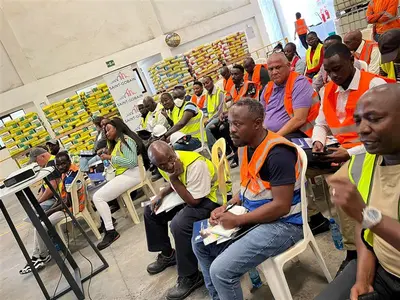
Saint-Gobain provides extensive product/solution training and on-site project support to enhance the knowledge and skills of construction professionals and contractors.
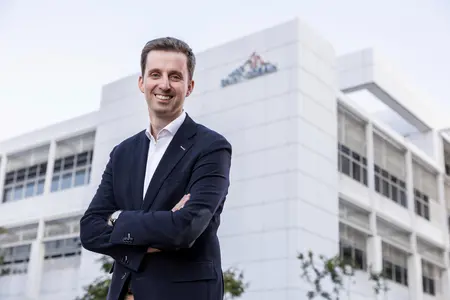
Johannesburg, South Africa, Saint-Gobain, worldwide leader in light and sustainable construction, is pleased to announce the appointment of Aymeric d’Ydewalle as the new Chief Executive Officer for Saint-Gobain Africa, effective July 2025. Aymeric succeeds Othman Benjelloun-Touimi, under whose leadership the Africa region accelerated its transformation journey and reconfirmed its commitment to Africa, embedding Saint-Gobain’s purpose-driven roadmap across the continent.
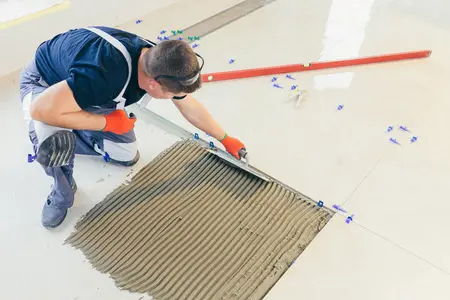
Ultra-flex is the perfect adhesive for large format floor tiles. It is a highly flexible, high strength, rapid-set cement-based tile adhesive suitable for floor applications.
Cape Town, South Africa – Against the backdrop of World Environment Day 2025 and Africa’s fast-approaching construction boom, Saint-Gobain Africa hosted its first Sustainable Construction Talk (SCT) on African soil last week. Held at Workshop17 in Cape Town’s V&A Waterfront, the gathering united developers, architects, engineers, finance and sustainability experts to unpack one vital question: How do we build sustainably and inclusively, at the right cost?
Our African context calls for collective action of the entire industry to revolutionize towards sustainable construction, to preserve our planet, whilst creating climate-resilient supply chains and ensuring inclusivity during this transformation.
This Earth Day, we're reimagining Africa's construction industry as a collaborative, circular, and inclusive ecosystem that prioritizes both people and the planet. With Africa’s population projected to grow by 1.1 billion by 2050 — and 80% of future buildings yet to be constructed — the sector has a unique opportunity to shape sustainable urban development.